Understanding CNC Machining Parts and Their Applications
CNC machining parts refer to components that are created using Computer Numerical Control (CNC) technology, a revolutionary method that automates the process of machining through computer programming. Since 2003, Honscn has honed its expertise in providing professional cnc machining parts, ensuring high precision and quality that meet diverse industrial needs. As manufacturing continues to evolve, understanding the fundamentals of CNC machining parts is essential for businesses aiming to leverage this technology effectively.
What are CNC Machining Parts?
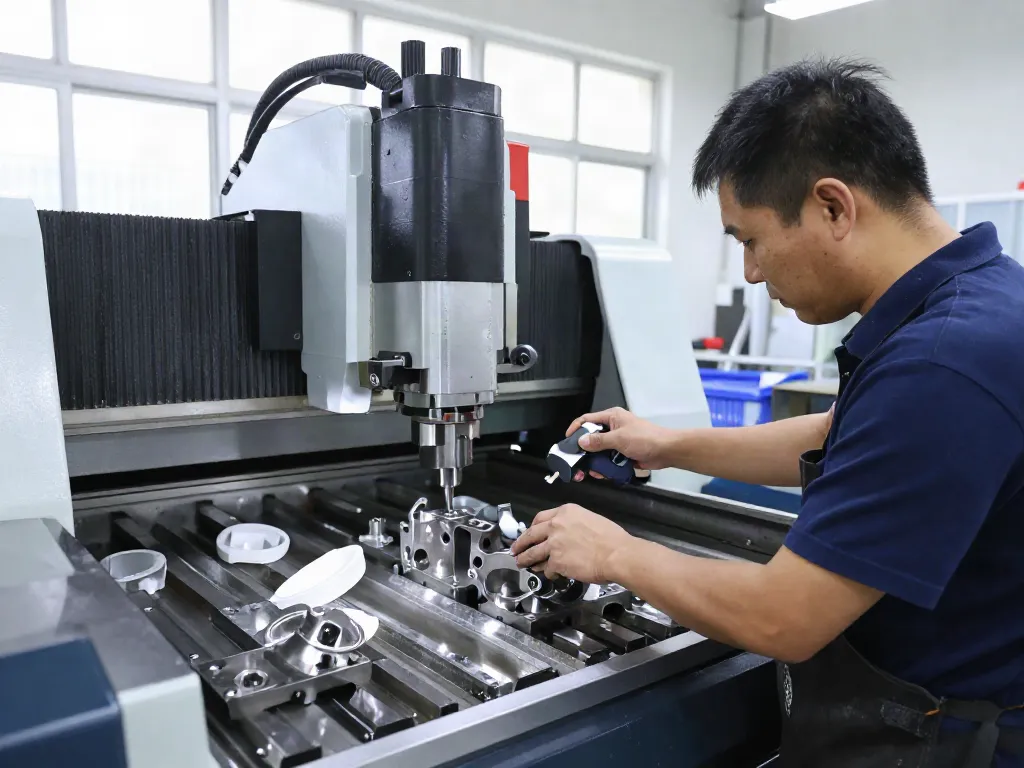
CNC machining parts are manufactured through a subtractive manufacturing process that cuts away material from a solid block to create a desired shape. This technique is characterized by its precision, allowing for intricate designs and components that meet strict tolerances. The process typically involves several operations including milling, turning, and drilling, all guided by a computer program that ensures accuracy and repeatability.
Key Benefits of CNC Machining
Embracing CNC machining technology offers numerous advantages, including:
- High Precision: CNC machines can achieve tolerances as tight as 0.001 inches, making them ideal for applications requiring intricate designs.
- Efficiency: Production times are drastically reduced, as CNC machines can operate continuously without breaks.
- Consistency: Once a program is set, identical parts can be produced repeatedly with minimal variation.
- Complex Designs: CNC machining can create intricate patterns and shapes that are difficult or impossible to achieve by hand.
Common Applications Across Industries
CNC machining parts are utilized across a broad spectrum of industries, including:
- Aerospace: Components require extreme precision to ensure safety and performance.
- Automotive: Parts for vehicles are often machined for reliability and efficiency.
- Medical: Surgical instruments and implants benefit from the high accuracy of CNC machining.
- Electronics: CNC machining is used to create parts for devices, ensuring compact and efficient designs.
Choosing the Right Materials for CNC Machining Parts
The selection of materials for CNC machining directly impacts the performance and cost of the final product. Various metals and plastics can be used, each with distinct properties that cater to different applications.
Comparing Metal and Plastic Options
Both metals and plastics have their own set of advantages and disadvantages in CNC machining:
- Metals: Often chosen for their durability and strength, metals such as aluminum and stainless steel are common in applications where stress resistance is crucial.
- Plastics: Lightweight and corrosion-resistant, plastics can be ideal for applications where weight savings are essential, such as in consumer electronics.
Material Properties and Their Impact on Quality
Understanding the properties of different materials is vital for achieving high-quality CNC machining parts. For instance:
- Tensile Strength: High tensile strength materials are better suited for mechanical parts that experience stress.
- Thermal Stability: Materials that can withstand high temperatures are necessary for parts used in high-heat environments.
Cost-Effective Material Selection Strategies
Evaluating the cost-effectiveness of material choices involves balancing performance with budget constraints. Some strategies include:
- Evaluating alternatives to traditional materials.
- Leveraging material suppliers for bulk purchasing discounts.
- Assessing material waste during production to minimize costs.
Best Practices for CNC Machining Process Optimization
To maximize the benefits of CNC machining, implementing best practices in setup and execution is crucial. These practices can significantly enhance both efficiency and output quality.
Setting Up Your CNC Machine for Success
The setup phase is critical for achieving optimal performance. Key steps include:
- Calibrating tools and machine components.
- Conducting pre-production tests to ensure proper function.
Techniques for Achieving High Precision
Employing specific techniques can enhance precision during machining:
- Regular maintenance of machines to avoid wear and inaccuracies.
- Utilizing high-quality cutting tools tailored to specific materials.
Quality Assurance Methods to Implement
Establishing stringent quality assurance measures ensures that the final products meet required standards. This may involve:
- Conducting regular inspections of finished parts.
- Utilizing statistical process control (SPC) to monitor production quality.
Emerging Trends in CNC Machining for 2026
The CNC machining industry is witnessing rapid technological advancements, which are reshaping processes and material usage. Staying abreast of these trends is essential for companies seeking to remain competitive.
Innovative Technologies Shaping the Future
Technologies such as AI and machine learning are being integrated into CNC machining, providing enhanced analytics and predictive maintenance capabilities. Additionally, advancements in additive manufacturing are allowing for hybrid processes that combine traditional machining with 3D printing.
Automation and Its Effects on CNC Machining
The move towards automation is streamlining production processes, reducing labor costs, and increasing output speed. Fully automated CNC machining systems can operate with minimal human intervention, increasing efficiency significantly.
Sustainability Practices in CNC Manufacturing
As sustainability gains importance, many manufacturers are adopting green practices. This includes minimizing waste, recycling scrap materials, and utilizing energy-efficient machines to reduce the carbon footprint of production processes.
Real-World Case Studies of Successful CNC Machining
Examining real-world applications of CNC machining provides valuable insights into effective strategies and methodologies.
Industry Leaders and Their Achievements
Several leading companies have redefined their industries through innovative CNC machining solutions. For example, aerospace companies often achieve significant weight reductions in aircraft components through advanced CNC techniques.
Lessons Learned from CNC Machining Projects
Successful case studies reveal common challenges and solutions, such as the importance of selecting the right materials and technologies to align with project goals.
Future Predictions Based on Current Trends
Given the current trajectory of CNC machining technology, future predictions include greater personalization of parts and an increase in on-demand manufacturing capabilities, responding swiftly to market needs.
What are CNC machining parts?
CNC machining parts are components created using CNC technology, known for its high precision and efficiency in manufacturing.
Can CNC machining parts be customized?
Yes, CNC machining allows for significant customization in design and specifications based on client needs and industry requirements.
How do I ensure quality in CNC machining?
Quality can be ensured through rigorous quality control processes, including regular inspections and using high-quality materials and tools.
What industries benefit from CNC machining parts?
CNC machining parts are beneficial in various industries, including aerospace, automotive, medical, and consumer electronics.
What are the costs associated with CNC machining?
The costs for CNC machining can vary widely based on material, complexity, and production volume, making it essential to evaluate these factors when budgeting for a project.