Introduction to Automatic Bag Palletizer Machines
In today's fast-paced manufacturing environment, efficiency and productivity are paramount. One of the critical components that can significantly enhance these factors is the automatic bag palletizer machine. These machines automate the process of stacking bags and other products onto pallets, reducing the need for manual labor and the associated errors. With a growing demand for automated solutions in various industries, understanding the capabilities and benefits of bag palletizers has become increasingly important for businesses aiming to optimize their operations.
What is an Automatic Bag Palletizer Machine?
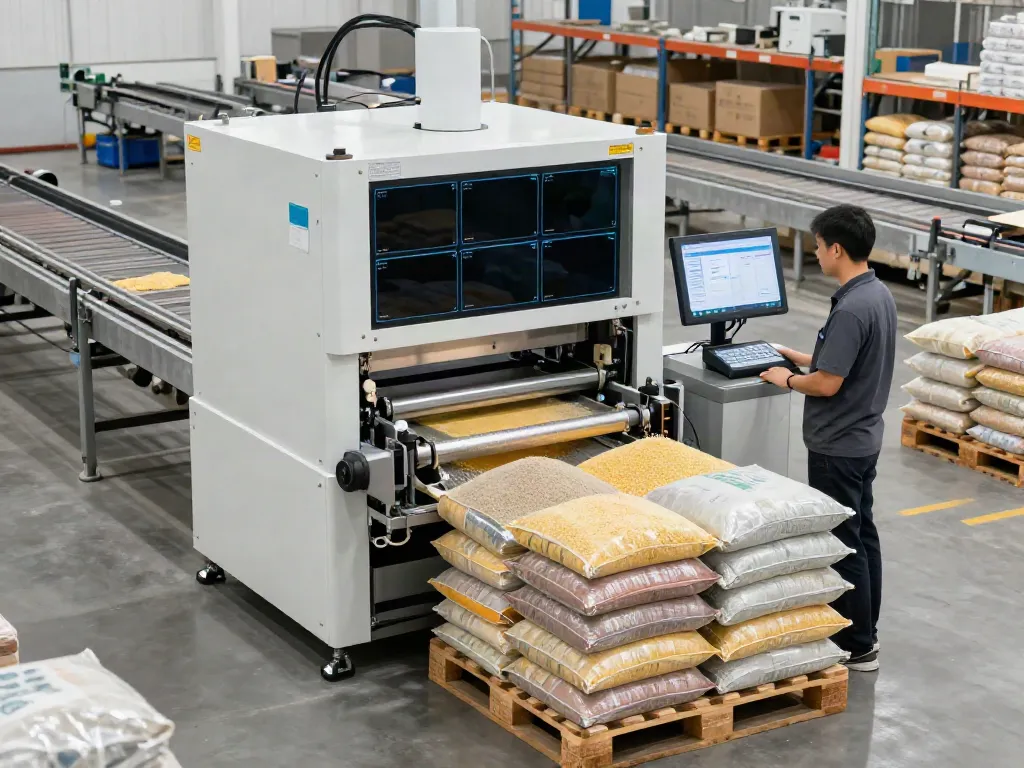
An automatic bag palletizer machine is a sophisticated piece of equipment designed to automatically stack bags of different sizes and materials onto pallets for shipping and storage. Leveraging advanced technology, these machines are capable of handling high volumes of products while ensuring precise stacking patterns that maximize space and stability. Typically, they consist of several components, including conveyors, robotic arms, or mechanical systems that work in tandem to efficiently process bags from packaging lines to pallet formation.
Key Features and Benefits
- High Speed and Efficiency: Automatic bag palletizers can operate at remarkable speeds, often palletizing dozens of bags per minute, which significantly accelerates production timelines.
- Versatility: These machines can handle bags of various shapes, sizes, and materials, including plastic, paper, and woven bags, making them suitable for a wide range of industries.
- Improved Safety: By automating the palletizing process, businesses can reduce the risk of injuries associated with manual handling, thereby fostering a safer work environment.
- Reduced Labor Costs: With the use of automatic palletizers, companies can decrease labor costs related to manual stacking and handling, allowing them to reallocate resources to more critical tasks.
- Consistent Quality: Automatic palletizers ensure uniform stacking, which helps maintain product integrity and reduces the likelihood of damage during transport.
Industry Applications of Bag Palletizers
Automatic bag palletizers are utilized across various sectors including:
- Agriculture: For packing and palletizing bags of grains, seeds, and fertilizers.
- Food and Beverage: Commonly used for pallets of flour, sugar, and snack foods.
- Chemicals: Ideal for handling bags of powdered or granulated substances.
- Construction: Efficient for stacking bags of cement, sand, and other building materials.
How Automatic Bag Palletizers Improve Efficiency
High-Capacity Production Capabilities
Automatic bag palletizers are built to meet high-capacity demands, often operating at speeds that exceed manual processes. With capabilities to palletize hundreds to thousands of bags per hour, these machines significantly boost operational throughput. For example, a state-of-the-art robot palletizer can consistently manage upwards of 30 bags per minute, translating to increased output and profitability for businesses.
Reducing Labor Costs and Increasing Safety
One of the most compelling reasons businesses invest in automated solutions is the reduction in labor costs. By automating the palletizing process, facilities can minimize the reliance on manual labor, thereby reducing costs associated with hiring, training, and managing staff. Moreover, the risk of workplace injuries from repetitive lifting and stacking is greatly diminished, enhancing overall safety measures within production facilities.
Streamlined Operations for Varied Bag Types
The technology behind automatic bag palletizers allows them to adapt to different bag types and sizes without requiring extensive modifications. This flexibility ensures that manufacturers can seamlessly transition between product lines, maintaining efficiency even when dealing with diverse packaging. With some models offering the ability to switch over within minutes, businesses can respond rapidly to changing demand or introduce new products without missing a beat.
Choosing the Right Automatic Bag Palletizer Machine
Factors to Consider When Selecting a Palletizer
Choosing the right automatic bag palletizer involves several critical considerations:
- Production Volume: Assess the expected output to determine the necessary speed and capability of the palletizer.
- Bag Types: Evaluate the range of bags your operations produce to ensure compatibility with the palletizer.
- Footprint: Consider the available space in your facility for the installation of the palletizing system.
- Cost: Analyze your budget against the features offered by different models to find the best value.
Comparing Different Models and Technologies
When exploring options for automatic bag palletizers, it's essential to compare different models and technologies. Some machines may employ mechanical systems, while others utilize advanced robotics for improved precision and adaptability. Investigating the specifications, reliability, and service support of each model will help ensure you choose the right equipment for your specific operational needs.
Success Stories: Case Studies of Implementation
Numerous companies have successfully integrated automatic bag palletizers within their operations, leading to remarkable transformations. For instance, a food processing plant that installed an automated system saw a 40% increase in production efficiency, while simultaneously reducing labor costs by almost 30%. Such case studies highlight the tangible benefits derived from investing in automation, underscoring its importance in staying competitive in the current market landscape.
Integrating Automatic Bag Palletizers into Your Operations
Step-by-Step Installation Guide
Integrating an automatic bag palletizer into your existing operations requires careful planning and execution:
- Assessment: Evaluate your current production lines and determine the best location for the palletizer.
- Selection: Choose the appropriate model based on your requirements.
- Installation: Collaborate with the manufacturer to ensure proper setup and configuration.
- Testing: Conduct comprehensive tests to verify the performance and efficiency of the system.
Training Employees on New Technology
Training is crucial when implementing new technology. Employees should be well-informed about the operational procedures of the new palletizer, including handling, troubleshooting, and maintenance. Providing hands-on training sessions can enhance their confidence and proficiency with the new systems.
Maintenance and Best Practices for Longevity
Regular maintenance is essential to keep your automatic bag palletizer operating at peak performance. Implementing a preventive maintenance schedule, along with proper lubrication and cleaning procedures, will extend the longevity of your equipment. Additionally, training staff to identify and report any potential issues can prevent costly breakdowns and downtime.
Future Trends for Bag Palletizers in 2026
Emerging Technologies in Automation
The evolution of technology continues to drive innovations in bag palletizers. Solutions incorporating artificial intelligence (AI) and machine learning are becoming more prevalent, allowing for predictive maintenance and adaptive learning. These advancements enable palletizers to optimize their operations based on real-time data analytics, ensuring greater efficiency and productivity.
Predictions for Industry Evolution
As the need for automation grows, it is expected that bag palletizers will become more accessible to small and medium-sized enterprises (SMEs). The emergence of affordable, modular palletizing solutions will democratize access to advanced technologies, allowing more businesses to reap the benefits of automation.
How to Stay Competitive with Advanced Solutions
To remain competitive, companies must stay ahead of technological advancements in the palletizing arena. Embracing innovations, investing in employee training, and continuously assessing operational efficiency will position businesses favorably against industry competitors.
What is the cost range for automatic bag palletizer machines?
The cost of automatic bag palletizer machines varies widely based on their functionality, capabilities, and manufacturer. On average, businesses can expect to invest between $50,000 to over $250,000, depending on their specific needs and requirements.
How do automated bagging systems increase productivity?
Automated bagging systems streamline the packaging process by reducing manual labor, enhancing speed, and ensuring consistent quality. This efficiency translates into higher production rates and the ability to allocate human resources to more strategic functions within the organization.
Are there different types of palletizer machines?
Yes, there are several types of palletizer machines available, including robotic palletizers, conventional mechanical palletizers, and hybrid systems that combine both technologies. Each type offers unique advantages and can be tailored to meet specific operational needs.
What does palletizing automation involve?
Palletizing automation involves the use of specialized machines and technology to stack products onto pallets without manual intervention. This process incorporates elements such as conveyors, robotic arms, sensors, and software for optimizing operations and ensuring precise stacking.
What companies are leading in bag palletizer technology?
Several companies are at the forefront of bag palletizer technology, including Durzerd, Premier Tech, Hamer, and Tinsley Company. Each of these manufacturers offers innovative solutions tailored to meet varying industry needs.