Understanding the Glass Cutting Machine: Basics and Benefits
Glass cutting machines are intricate devices designed to make precise cuts in glass materials. They are crucial in various industries, ranging from construction to artistry. The evolution of glass cutting technology has led to significant advancements, making these machines more efficient and safer for users. For those interested in high-quality options, exploring a trusted source for a glass cutting machine can provide comprehensive insights into the features and benefits that modern machines offer.
What is a Glass Cutting Machine?
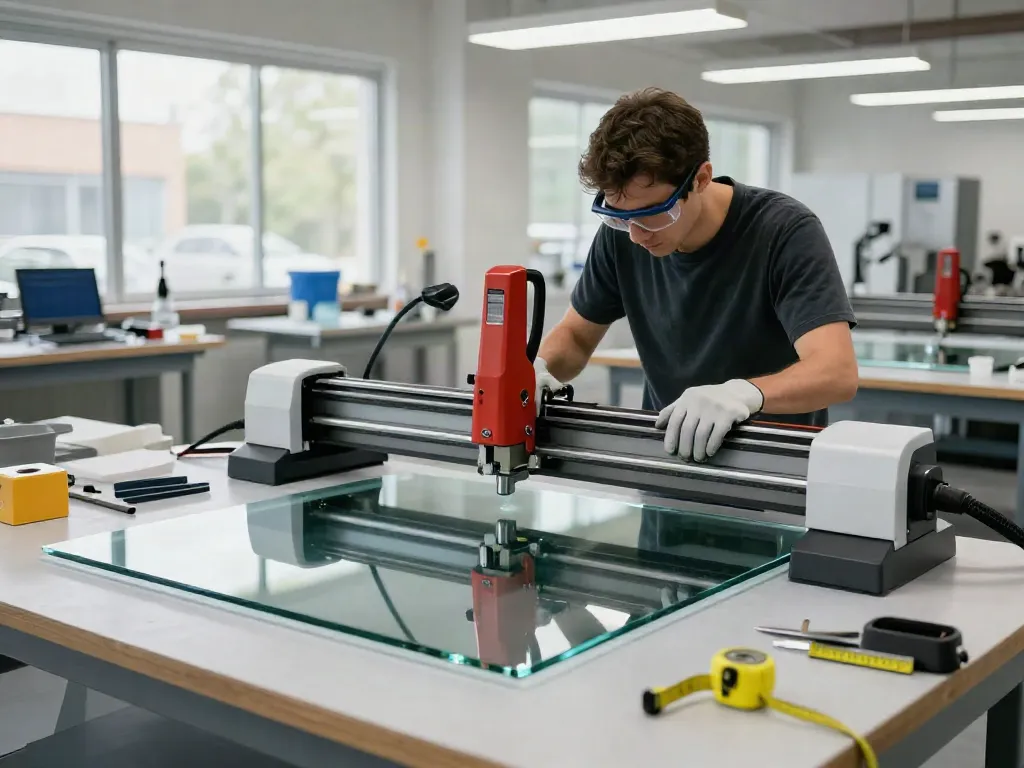
A glass cutting machine is a specialized tool or device used to cut glass sheets into desired shapes and sizes. These machines utilize various cutting methods, such as scoring and breaking, to ensure clean and precise cuts. The design of these machines varies based on their intended use, and they can be manual or automatic, catering to different needs in the glass manufacturing and crafting sectors.
Key Benefits of Using Glass Cutting Machines
The introduction of glass cutting machines has transformed the way glass is processed. Some of the key benefits include:
- Precision: Automated machines can achieve high levels of accuracy in cutting glass, reducing waste and improving overall product quality.
- Speed: The efficiency of machines allows for faster production times, making them ideal for high-volume operations.
- Safety: Modern machines incorporate safety features that minimize the risk of injury, which is crucial in environments where glass handling is routine.
- Versatility: Many glass cutting machines can handle various glass types, including tempered, laminated, and Low-E glass, expanding their usability across different sectors.
Types of Glass Cutting Machines Available
There are several types of glass cutting machines available, each designed for specific applications:
- Manual Glass Cutters: These are handheld tools used by artisans for intricate designs, typically used in stained glass work.
- CNC Glass Cutting Machines: These computer-controlled machines are capable of making highly complex cuts with minimal human intervention.
- Automatic Glass Cutting Tables: Designed for high-volume production, these machines can automatically cut large sheets of glass with great precision.
- Water Jet Cutters: Utilizing high-pressure water jets, these machines can cut through various thicknesses of glass without producing heat, which can alter the material properties.
Common Dangers Associated with Glass Cutting Machines
While glass cutting machines enhance efficiency and precision, they also come with inherent risks. Understanding these dangers is crucial for safe operation.
Risk of Injury During Operation
The primary risk associated with glass cutting machines is injury, which can occur due to improper handling or lack of safety precautions. Operators must be aware of the potential for cuts and abrasions, especially when handling freshly cut glass.
Handling Sharp Edges and Broken Glass
Broken glass presents a significant hazard. Operators need to be trained in safe glass handling practices to manage shards and broken pieces effectively. Using appropriate tools and techniques can mitigate these risks.
Electrical and Mechanical Hazards
As with any machinery, glass cutting machines can pose electrical and mechanical risks. Ensuring that all equipment is maintained and inspected regularly can help prevent accidents related to faulty wiring or malfunctioning parts.
Best Practices for Safe Operation
Safety should always be a top priority when operating glass cutting machines. Here are some best practices to follow:
Safety Gear and Equipment Recommendations
Wear appropriate personal protective equipment (PPE) when operating glass cutting machines. Essential items include:
- Safety glasses to protect eyes from glass shards.
- Cut-resistant gloves to prevent hand injuries.
- Steel-toed boots to protect feet from heavy glass pieces.
Step-by-Step Safety Protocols
Implementing a clear set of safety protocols is essential:
- Always inspect the machine before use to ensure it is in proper working condition.
- Keep the workspace clean and free of hazards, such as clutter and spills.
- Train all operators on the specific machine they will be using, including emergency procedures.
Regular Maintenance and Inspections
Regular maintenance and inspections can significantly reduce the risk of accidents. Schedule routine checks for electrical components, cutting blades, and any safety features to ensure everything operates smoothly.
Innovations in Glass Cutting Technology for 2026
The field of glass cutting technology continues to evolve, bringing forth innovations that enhance efficiency and safety.
Advancements in Glass Cutting Precision
New technologies allow for enhanced precision in glass cutting, which is vital in sectors where accuracy is paramount, such as architecture and automotive manufacturing. Innovations such as laser cutting provide results that are more consistent and require less post-processing.
Smart Safety Features in Modern Machines
Modern glass cutting machines are now equipped with smart safety features, including automatic shut-off mechanisms and sensors that detect unsafe operating conditions. These advancements help protect operators while maintaining productivity.
Future Trends in Glass Cutting Techniques
Looking ahead, the trends in glass cutting will likely focus on sustainability and energy efficiency. Machines that minimize waste and reduce energy consumption will become increasingly important to meet environmental standards.
Real-World Applications of Glass Cutting Machines
Glass cutting machines are utilized in a variety of contexts, demonstrating their versatility and importance in today’s industry.
Industrial Use Cases for Glass Cutting
In industrial settings, glass cutting machines are essential for mass production of glass products. They are used in manufacturing windows, shower doors, and electrical glass components, streamlining production lines and enhancing output quality.
Artisan Craftsmanship with Glass Cutting Tools
For artisans, glass cutting machines open up creative possibilities. Techniques such as glassblowing and stained glass creation rely on the precision that these machines provide, allowing for intricate designs that would be difficult to achieve by hand.
Comparative Analysis: Manual vs. Automated Cutting
When comparing manual and automated glass cutting methods, each has its advantages. Manual cutting allows for greater creativity and customization, while automated cutting is superior in speed and precision. Understanding these differences can help businesses choose the right approach for their operations.
What are the key safety features in modern glass cutting machines?
Modern glass cutting machines are equipped with several safety features such as emergency stop buttons, automatic shutdown protocols, and protective guards around cutting areas to prevent accidents.
How often should glass cutting machines be maintained?
Glass cutting machines should undergo maintenance at least once every six months, but more frequent checks are recommended in high-usage environments to ensure optimal safety and performance.
What types of glass can be cut with these machines?
These machines can cut a variety of glass types, including but not limited to tempered glass, laminated glass, and regular float glass. Special adaptations may be necessary for more specialized materials.
What safety gear is essential when using a glass cutting machine?
Essential safety gear includes safety glasses, cut-resistant gloves, and steel-toed boots, which help protect against injuries associated with glass cutting and handling.
Are there any specific training requirements for operating glass cutting machines?
Yes, operators should receive training on the specific machines they will be using, which includes understanding all safety features and emergency procedures to ensure safe and effective operation.