Understanding Rope Bridges and Their Benefits
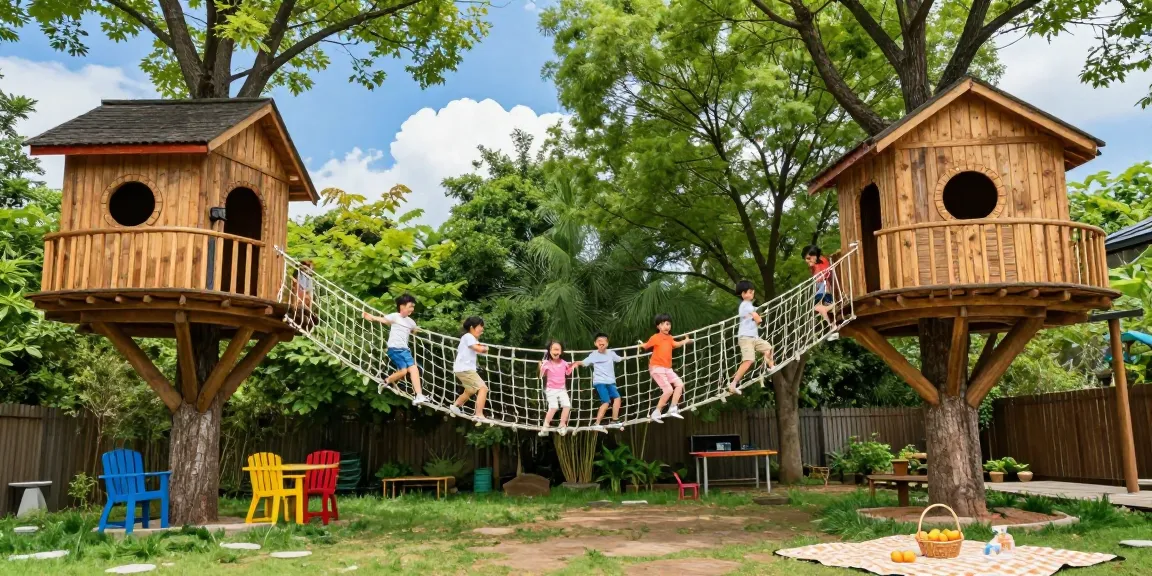
Rope bridges are an intriguing architectural feature that blend functionality with adventure. These structures, often suspended above ground or water, provide an exciting and impactful way to connect spaces, be they in treehouses, parks, or adventure courses. Their design, typically utilising strong and durable ropes, not only allows for easy traversal but also offers a unique aesthetic that enhances the natural surroundings. When considering the implementation of a Rope Bridge in your outdoor space, understanding its benefits is crucial.
What is a Rope Bridge?
A rope bridge is a type of suspension bridge that uses cables or ropes for support instead of traditional materials like wood or steel. Simple in design, these bridges often consist of two main ropes on either side with a deck made of wooden planks or netting strung between them. Historically used by various cultures for crossing rivers and difficult terrains, modern rope bridges are mostly found in recreational settings, offering both fun and functional passageways.
Key Advantages for Outdoor Play
- Physical Activity: Rope bridges encourage children to engage in physical play, enhancing their strength, balance, and coordination.
- Cognitive Development: Navigating a rope bridge can boost problem-solving skills as children assess how to cross safely.
- Imagination and Creativity: Rope bridges often serve as imaginative play elements, transforming into pirate ships or jungle adventures in the minds of children.
Safety Features to Consider
While fun and whimsical, safety is paramount when constructing or using a rope bridge. Ensure that:
- The ropes are made from high-quality, durable materials that can withstand weight and environmental factors.
- Proper anchoring techniques are employed to secure the bridge’s stability.
- Regular inspections are conducted to identify any wear or damage.
Designing Your Own Rope Bridge
Creating a rope bridge can be an exciting DIY project, allowing you to tailor its design to fit your space and needs. Before starting, it is vital to determine the right materials and follow a structured building process.
Materials Required for Construction
When embarking on your rope bridge project, consider these essential materials:
- Ropes: Opt for high-strength polyester or nylon ropes for durability and resistance to weather.
- Wooden Planks: Use treated lumber for the deck to ensure longevity and safety.
- Anchoring Hardware: Secure your bridge with the appropriate anchors, such as eye bolts and carabiners.
Step-by-Step Building Guide
- Identify Location: Choose a safe and suitable area for your bridge that connects two secure points.
- Plan the Design: Sketch out your design, including dimensions and the spacing of planks.
- Secure the Ropes: Attach the main ropes at both ends, ensuring they are level and taut.
- Install the Deck: Lay down wooden planks or netting across the ropes, securing them firmly.
- Test for Safety: Before allowing use, conduct weight tests and inspect all connections.
Common Mistakes to Avoid
To ensure the success of your rope bridge project, be wary of these common pitfalls:
- Using low-quality materials, which can lead to safety risks over time.
- Neglecting safety checks, which could endanger users.
- Overestimating the weight capacity, leading to potential accidents.
Maintenance and Care Tips for Rope Bridges
To ensure your rope bridge remains safe and functional, regular maintenance and care should be prioritised.
Regular Inspection and Upkeep
Inspect your rope bridge frequently for signs of wear. Pay close attention to the integrity of the ropes, the condition of the planks, and the connections. Any equipment showing signs of damage should be replaced immediately to avoid accidents.
Weatherproofing Your Structure
Exposure to the elements can degrade the quality of your rope bridge. Apply protective coatings on wooden components and ensure that ropes are treated for weather resistance to prolong their lifespan.
Repair Techniques for Common Issues
Be prepared to conduct repairs on your rope bridge as needed. For minor wear, replace individual ropes or planks. For more significant issues, such as sagging, reassess the anchoring and support structure.
Rope Bridges in Playgrounds and Parks
Rope bridges are increasingly becoming popular features in playgrounds and parks, enhancing children's outdoor experiences significantly.
Trends in Outdoor Play Areas
Recent trends show a focus on integrating natural elements into playground design. Rope bridges align perfectly with this by adding a sense of adventure while promoting physical play. Moreover, they cater to children of all ages, providing a safe space for exploration.
Case Studies: Successful Installations
Many community playgrounds have successfully integrated rope bridges. For example, the Timber Lane Park installation in Oregon features a network of rope bridges that connect various play structures, encouraging children to cross between them, fostering both cooperation and physical activity.
Community Benefits of Rope Bridges
Implementing rope bridges in community spaces not only enhances play opportunities but also encourages social interaction among children, thus building essential teamwork and communication skills.
Future Considerations for Rope Bridges in 2026
As we look towards 2026, the future of rope bridges appears promising with potential innovations in materials and designs.
Innovative Designs and Materials
Upcoming trends may include the use of eco-friendly materials and designs that blend seamlessly with natural landscapes. Biodegradable ropes and composite materials for decks are likely to gain traction.
Environmental Impact and Sustainability
As communities become more environmentally conscious, the demand for sustainable building practices will influence rope bridge designs. Bridges that utilise renewable materials not only serve functional purposes but also promote eco-friendly initiatives.
Predicted Trends in Outdoor Recreation
With an increasing emphasis on outdoor activities, rope bridges will likely become central features in adventure parks and recreational spaces. As families seek unique experiences, these structures will provide an appealing option for both exercise and enjoyment.
What Maintenance is Needed for a Rope Bridge?
Regular inspections, weatherproofing, and timely repairs are crucial for the maintenance of a rope bridge, ensuring it remains safe for users over time.
How Do You Make a Rope Bridge Safe for Kids?
To ensure safety for children, use high-quality materials, implement strong anchoring systems, and conduct frequent safety inspections.
What Type of Rope is Best for a Rope Bridge?
Polyester and nylon ropes are often the best choices due to their strength, durability, and resistance to environmental factors.
Are Rope Bridges Suitable for Adults?
Yes, rope bridges can be designed to accommodate adults, provided they are properly constructed with sufficient weight capacity and safety features.
What are Common Uses for Rope Bridges?
Commonly found in playgrounds, rope bridges are also used in adventure parks, treehouses, and nature trails, serving both as features for play and as utilitarian walkways in challenging terrains.