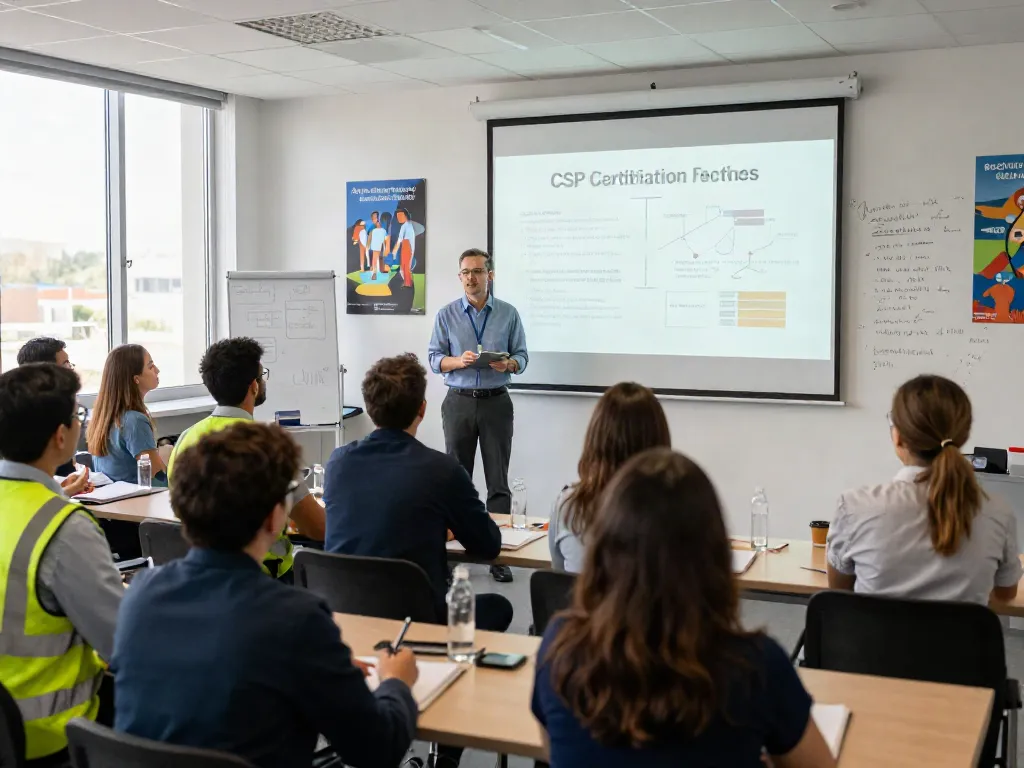
Understanding CSP Certification and Its Importance
The Certified Safety Professional (CSP) certification is a prestigious credential awarded by the Board of Certified Safety Professionals (BCSP) that signifies a professional's expertise and commitment to occupational health and safety. Designed for safety professionals looking to enhance their career opportunities, the CSP certification is recognized globally, making it a vital asset for individuals in safety-related roles. With governments and organizations increasingly prioritizing workplace safety, obtaining this certification can open doors to advanced career paths and higher earning potential. For those interested in gaining a deeper understanding of this essential credential, CSP Certification offers comprehensive insights and training resources.
What is CSP Certification?
CSP Certification is an advanced credential that demonstrates a professional’s extensive knowledge in safety practices and their ability to implement these practices effectively within various organizational contexts. It's awarded to candidates who meet specific educational and professional experience criteria and pass a rigorous examination that tests their knowledge across multiple domains of safety management.
Benefits of Obtaining CSP Certification
Achieving CSP certification comes with a multitude of benefits, including:
- Enhanced Professional Credibility: CSPs are recognized as experts in their field, leading to increased trust from employers and clients.
- Career Advancement: The certification can significantly boost career prospects by qualifying professionals for higher-level positions, such as HSE Managers or Safety Directors.
- Higher Earning Potential: Certified professionals typically earn more than their non-certified counterparts, with significant increases in salary reported in various industries.
- Networking Opportunities: Being part of a global community of safety professionals provides valuable networking opportunities for collaborations and career growth.
Global Recognition of CSP Credential
The CSP credential is recognized internationally, making it a valuable asset for professionals aspiring to work in multinational corporations or in countries where safety standards are paramount. Many organizations specifically seek out CSPs when hiring for safety-critical roles, further underscoring the value of this certification in today’s global job market.
Eligibility Criteria for the CSP Exam
Required Qualifications
To qualify for the CSP exam, candidates must have a bachelor’s degree in any field and at least four years of safety experience. Furthermore, this experience should demonstrate the applicant's competence in key safety management areas. Specific educational qualifications may enhance eligibility, and prospective candidates are advised to review the latest BCSP guidelines closely.
Experience Needed for CSP Certification
The experience required to obtain CSP certification includes a mix of roles that demonstrate safety management capabilities. Candidates must provide documented evidence of their work experience, which must include responsibilities that cover:
- Risk assessment and management
- Safety program management and implementation
- Compliance with safety regulations
- Training and mentoring of safety personnel
Application Process and Fees
Applying for the CSP Certification involves several steps. Candidates must complete an online application through the BCSP website, providing the required documentation and paying an application fee. The total cost for obtaining the CSP certification includes:
- Application Fee: $160
- Exam Fee: $350
After submitting an application, candidates have one year to schedule and pass the certification exam.
CSP Exam Preparation Strategies
Effective Study Techniques
Preparing for the CSP exam demands a strategic approach, given its comprehensive nature. Effective study techniques include:
- Structured Study Plan: Create a study schedule that allocates time to cover all content areas thoroughly.
- Study Groups: Joining or forming study groups can facilitate deeper learning through discussion and shared resources.
- Regular Review: Periodic reviews of material reinforce knowledge and ensure retention of important concepts.
Utilizing Practice Exams
Taking practice exams is essential for understanding the exam format and identifying areas needing improvement. Many candidates find that full-length practice tests help simulate the exam environment, reducing anxiety on test day while allowing them to gauge their readiness.
Time Management during the Exam
Effective time management can significantly impact exam performance. Candidates should practice pacing themselves during mock exams to ensure they can complete all questions within the allotted time without rushing.
Course Offerings at Burraq Consulting
Available Training Formats
Burraq Consulting offers a variety of training formats to accommodate different learning preferences and schedules. Options include:
- Virtual Instructor-Led Training (VILT): Flexible online classes that allow participants to engage with instructors and peers remotely.
- On-Campus Training: In-person sessions for those who prefer face-to-face interaction and hands-on learning.
- Customized Corporate Training: Tailored training solutions that meet specific organizational needs and schedules.
Expert Instruction and Resources
Students enrolled in Burraq Consulting’s CSP training program benefit from expert instruction by certified safety professionals who bring real-world experience into the classroom. Comprehensive study materials, including manuals and practice exams, are provided to enhance learning outcomes.
Customized Training Solutions for Corporations
Burraq Consulting understands that organizations may have unique needs regarding safety training. They offer customized solutions that include on-site training and development of specialized content to address specific industry challenges.
Future Trends in Workplace Safety and CSP Certification
Impact of Technology on Safety Practices
The landscape of workplace safety is continuously evolving, particularly with the integration of technology. Innovations such as artificial intelligence and machine learning are improving risk assessment and hazard identification processes, enabling safety professionals to maintain safer work environments.
Emerging Skills for Safety Professionals
As industries adapt to changing regulations and technologies, the demand for safety professionals skilled in new areas is on the rise. Important emerging skills include data analysis for safety metrics, proficiency in new safety technologies, and advanced communication techniques for training and engagement.
Predictions for the CSP Certification Landscape in 2026
Looking ahead to 2026, the demand for CSP-certified professionals is expected to grow, driven by heightened awareness of workplace safety and compliance requirements. The certification will likely continue to evolve, incorporating new content areas related to technological advancements and regulatory changes in various industries.
What are the costs associated with CSP Certification?
The overall costs associated with obtaining CSP certification typically include the application fee and the examination fee, totaling around $510. Additional costs may arise from study materials or preparatory courses, which can vary depending on the provider.
How long does it take to prepare for the CSP exam?
The timeframe for preparing for the CSP exam varies by individual commitment and background, but most candidates spend several months reviewing and studying before sitting for the exam. A structured study plan can make the process more efficient.
What resources are available for CSP exam candidates?
Candidates preparing for the CSP exam have access to a range of resources including official study guides from BCSP, practice exams, and various online platforms offering practice quizzes and comprehensive study courses tailored to the CSP exam syllabus.
Who should pursue CSP Certification?
CSP Certification is ideal for safety professionals, including safety officers, HSE managers, and those in leadership roles seeking to validate their expertise. It is also suitable for individuals looking to establish a career in health, safety, and environmental management.
What are the career opportunities after obtaining CSP certification?
Achieving CSP certification opens up a wealth of career opportunities. Certified professionals can pursue senior roles such as Safety Director, Risk Manager, or Compliance Officer in various industries, including construction, healthcare, and manufacturing. The certification not only enhances their qualifications but also positions them for leadership roles and strategic decision-making within their organizations.