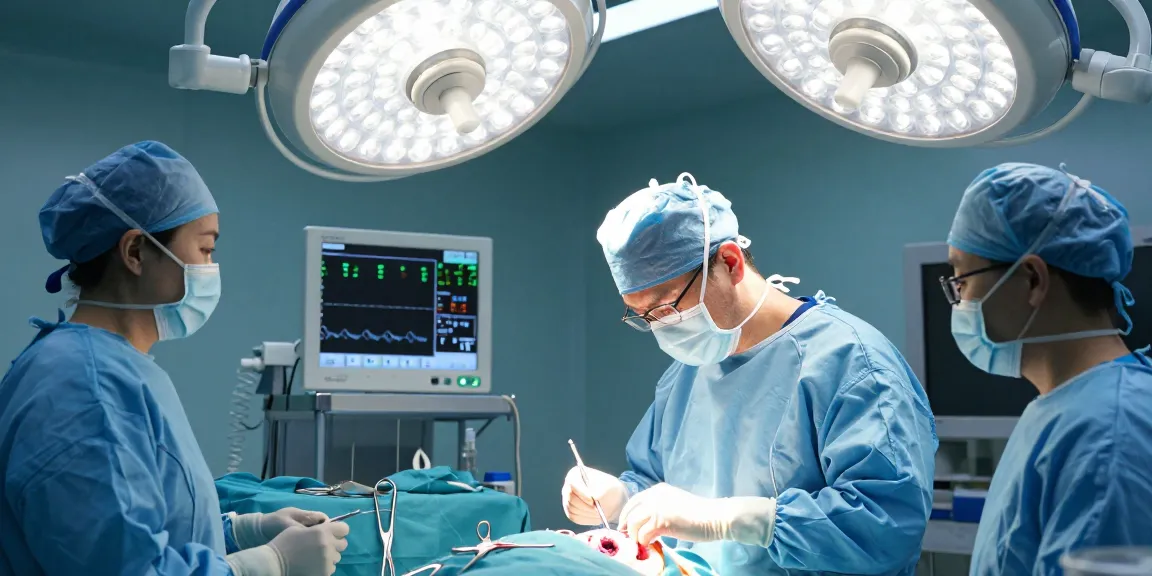
Understanding Brain Tumor Surgery
Brain tumor surgery, known as beyin tümörü ameliyatı in Turkish, is a critical and specialized procedure aimed at addressing both benign and malignant brain tumors. As the medical community continues to advance in its understanding of neurosurgery, patients can access more effective and less invasive treatment options than ever before. Preoperative assessment, cutting-edge surgical techniques, and comprehensive postoperative care are essential components of the process that ensure patient safety and optimal outcomes. This article aims to provide an in-depth overview of everything you need to know about brain tumor surgery, from types of tumors treated to risks and recovery insights.
What is Beyin Tümörü Ameliyatı?
Brain tumor surgery refers to surgical procedures conducted to remove brain tumors. This form of surgery can range from minimally invasive techniques to more complex open surgeries, depending on tumor type, location, and size. The primary objective is to safely excise the tumor while preserving as much surrounding healthy brain tissue as possible. Effective treatment often involves collaborative efforts between various specialists including neurosurgeons, oncologists, radiologists, and rehabilitation experts.
Types of Brain Tumors Treated
Brain tumors can be classified into several categories, which significantly influence treatment strategies. The most common types include:
- Meningiomas: Typically benign tumors arising from the meninges, the protective layers covering the brain.
- Glial Tumors: Comprising astrocytomas, oligodendrogliomas, and the highly aggressive glioblastoma multiforme (GBM).
- Metastatic Tumors: Tumors that originate from cancer in other parts of the body and spread to the brain.
The Importance of Early Diagnosis
Early detection of brain tumors plays a crucial role in improving treatment outcomes. Symptoms may vary widely from headaches and seizures to cognitive changes, depending on the tumor's location. Regular medical check-ups and imaging studies, such as MRI scans, can lead to earlier diagnoses and significantly enhance the effectiveness of surgical and adjunct therapies. When exploring options, beyin tümörü ameliyatı provides comprehensive insights on dealing with different types of brain tumors.
Steps Involved in Brain Tumor Surgery
Pre-Operative Preparation for Beyin Tümörü Ameliyatı
Preparing for brain tumor surgery is a multifaceted process that requires careful planning. Initial steps generally include obtaining a thorough medical history, conducting physical examinations, and obtaining imaging studies to map the tumor's location and size. Additionally, blood tests and potentially other diagnostic tests are performed to assess overall health and evaluate any risk factors.
Intraoperative Techniques and Technologies
During surgery, advanced techniques and technologies such as neuronavigation systems and intraoperative MRI enhance the surgeon's ability to accurately locate and remove tumors. In some cases, awake craniotomy is performed, which allows patients to remain conscious during certain parts of the procedure. This approach helps the surgeon monitor critical neurological functions in real time, minimizing the risk of postoperative deficits.
Post-Operative Recovery and Monitoring
After surgery, patients typically require close monitoring in a recovery unit. Early postoperative imaging is often utilized to evaluate the effectiveness of the tumor removal and check for any complications. Recovery can vary, but many patients begin rehabilitation shortly after surgery to regain strength and cognitive function.
Risks and Complications of Brain Surgery
Common Risks Associated with Beyin Tümörü Ameliyatı
As with any surgical procedure, brain tumor surgery carries inherent risks. Common complications may include:
- Infection at the surgical site
- Bleeding, which can lead to hematoma formation
- Neurological deficits, such as speech difficulties or motor impairment
- Seizures post-surgery
Management of Surgical Complications
Postoperative care focuses on minimizing complications and enhancing recovery. Any signs of infection or neurological changes are taken seriously and addressed promptly. Rehabilitation services, including physical, occupational, and speech therapy, are essential to recovery and may commence immediately after the stabilization phase.
Minimizing Risks through Advanced Techniques
Utilizing advanced surgical techniques and technologies can significantly mitigate risks associated with brain tumor surgeries. For example, intraoperative monitoring of brain functions can help prevent damage to critical areas during tumor removal. As a result, many patients experience fewer complications and a smoother recovery trajectory.
Comparing Surgery Options for Different Tumor Types
Approaches for Meningiomas vs. Glial Tumors
The approach to surgery largely depends on the tumor type. Meningiomas, being more benign in nature, may require complete resection to prevent recurrence. Glial tumors, especially malignant ones like glioblastoma, may require a combination of surgery, chemotherapy, and radiation therapy to manage, given their aggressive characteristics and tendency to infiltrate surrounding tissues. Each case must be evaluated on its own merits to formulate the best surgical and post-operative strategy.
Understanding Tumor Grades and Prognosis
Tumors are graded based on their histological features, which directly affect prognosis. Low-grade tumors (Grade I and II) have better outcomes and may be managed with surgery alone, while high-grade tumors (Grade III and IV) often necessitate a multimodal treatment approach involving additional therapies.
The Role of Gamma Knife and Other Treatments
Gamma Knife radiosurgery represents a non-invasive option for patients with tumors that are difficult to reach surgically. This technique focuses high doses of radiation on the tumor while sparing surrounding healthy tissue. It is particularly useful for small to medium-sized tumors and can serve as an adjunct to surgical methods or stand-alone treatment for patients who are not surgical candidates.
Future Trends in Brain Tumor Treatment
Innovations in Surgical Techniques by 2026
The landscape of brain tumor surgery is evolving rapidly, with innovations in surgical technology and techniques leading the way. Future advancements may include enhanced neuronavigation systems, robotic-assisted surgeries, and even more refined imaging modalities that provide real-time feedback during the procedures.
Advancements in Post-Operative Care
Post-surgical care is also becoming more sophisticated, employing personalized rehabilitation protocols and digital health technologies to monitor recovery. These advancements will aim to support patients in their recovery journey while reducing the likelihood of complications.
New Research and Emerging Treatment Options
Research into the molecular biology of brain tumors is paving the way for emerging treatments. Targeted therapies, immunotherapy, and gene therapy are likely to shape the future approaches in managing brain tumors, offering patients options that are tailored to the specific characteristics of their tumors.
What are the Benefits of Beyin Tümörü Ameliyatı?
The primary benefit of brain tumor surgery is the potential for removing a tumor and alleviating associated symptoms. In addition, advances in surgical techniques have greatly reduced recovery time and improved patient outcomes.
How Long Does Recovery from Brain Surgery Take?
Recovery from brain surgery varies widely among individuals, depending on the type of surgery performed and the patient's overall health. Generally, patients may expect a recovery period ranging from a few weeks to several months.
Are There Non-Surgical Alternatives Available?
Yes, non-surgical options include radiation therapy, chemotherapy, and stereotactic radiosurgery. These treatments are sometimes used in conjunction with surgery or as alternatives for patients who cannot undergo surgical procedures.
What Should Patients Expect During the Surgery?
Patients can expect to undergo anesthesia, followed by the surgery itself, which may last several hours. Communication with the surgical team before the operation can help alleviate anxiety and clarify expectations about the procedure.
How to Choose the Right Surgeon for Beyin Tümörü Ameliyatı?
Selecting the right surgeon is a critical step in the treatment process. For more information, beyin tümörü ameliyatı offers valuable insights. Factors to consider include the surgeon's experience, surgical technique, and outcomes in similar cases. A solid understanding of the patient's individual needs and tumor characteristics is key to this decision.