Understanding Wisdom Teeth and Their Impact on Oral Health
Wisdom teeth, also known as third molars, usually emerge in late adolescence or early adulthood, often leading to questions and concerns regarding their necessity and potential complications. These teeth can play a role in our oral health, both positively and negatively. Understanding what wisdom teeth are, the issues they may cause, and when removal is necessary can provide individuals with the knowledge they need to make informed decisions about their dental care. If you are considering options for wisdom teeth removal Newport Beach, this guide will cover everything you need to know.
What are Wisdom Teeth?
Wisdom teeth are the last set of molars to develop, typically breaking through the gums between the ages of 17 and 25. In evolutionary terms, these teeth were beneficial for our ancestors who consumed a rough diet that required more chewing power. However, as human diets have evolved and jaws have become smaller, these teeth often lack sufficient space to emerge properly. As a result, many adults experience various issues related to their wisdom teeth.
Common Issues Caused by Wisdom Teeth
While some people may have no issues with their wisdom teeth, others can face a number of complications, including:
- Impaction: When there isn’t enough space in the jaw, wisdom teeth can become trapped and unable to fully emerge. This can lead to pain, infection, and damage to adjacent teeth.
- Crowding: As wisdom teeth push through the gums, they can crowd existing teeth, leading to misalignment and orthodontic issues.
- Infection: Partially erupted wisdom teeth can create pockets for bacteria to accumulate, resulting in infections and gum disease.
- Cysts and Tumors: In rare cases, cysts can form around impacted wisdom teeth, potentially damaging the jawbone and surrounding structures.
Signs You Need a Wisdom Tooth Removal
Identifying the signs that you may need wisdom teeth removal is crucial. Symptoms can include:
- Pain in the back of the mouth
- Swelling and tenderness in the gums
- Jaw stiffness or difficulty opening your mouth
- Bad breath or an unpleasant taste in the mouth
- Visible crowding of existing teeth
If you experience any of these symptoms, consulting with a dental professional is advised to evaluate whether extraction is necessary.
The Wisdom Teeth Removal Process Explained
What to Expect During the Consultation
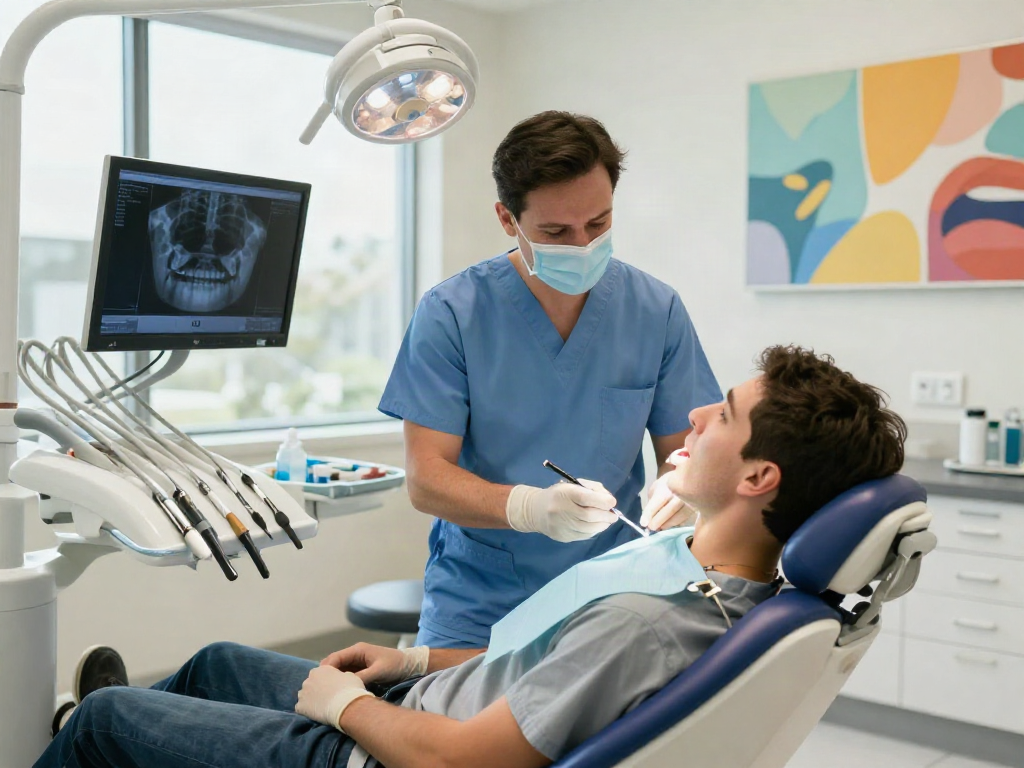
During your initial consultation, the oral surgeon will review your dental history and conduct a thorough examination, often including X-rays to assess the position of your wisdom teeth. This assessment helps determine the best course of action tailored to your specific needs. The consultation is also an opportunity for you to ask any questions about the procedure, anesthesia options, and recovery expectations.
The Stages of the Extraction Procedure
Wisdom teeth extraction is typically an outpatient procedure, meaning you can return home the same day. The stages of the procedure generally include:
- Anesthesia: The surgeon will administer local anesthesia, sedation, or general anesthesia based on your comfort level and the complexity of the extraction.
- Incision: If the tooth is impacted, an incision will be made in the gum tissue to expose the tooth and bone.
- Removal: The tooth may need to be broken into smaller pieces for easier removal. Once removed, the area will be cleaned.
- Stiches: The surgeon may close the incision with stitches, which can be dissolvable.
Post-Operative Care and Recovery Tips
Post-operative care is essential for a smooth recovery. Key tips include:
- Following a soft-food diet for the first few days after surgery.
- Applying ice packs to reduce swelling.
- Taking prescribed medications as directed.
- Avoiding vigorous physical activity for a few days.
- Maintaining oral hygiene but avoiding brushing the extraction site for the first 24 hours.
By taking these precautions, you can help ensure a quicker and less painful recovery.
Choosing the Right Dental Surgeon in Newport Beach
Qualifications and Experience to Look For
When selecting a dental surgeon for your wisdom teeth removal, it's important to consider their qualifications. Look for a board-certified oral surgeon with extensive experience in tooth extractions, specifically in dealing with impacted wisdom teeth. Credentials, training, and participation in continuing education can all indicate a commitment to best practices in oral surgery.
Questions to Ask During Your Initial Appointment
Before committing to a surgeon, it’s vital to ask the right questions during your initial appointment, such as:
- What is your experience with wisdom tooth extractions?
- What anesthesia options do you provide?
- What is the expected recovery time for this procedure?
- Are there any potential complications I should be aware of?
These inquiries will help you gauge the surgeon’s expertise and establish comfort and trust in their care.
Evaluating Patient Reviews and Testimonials
Online reviews and patient testimonials are excellent resources for assessing a surgeon's reputation. Look for consistent themes in the reviews regarding the surgeon's professionalism, the comfort of the office environment, and the quality of post-operative care. Positive feedback from past patients can be reassuring and may guide your decision-making process.
Costs and Insurance Coverage for Wisdom Teeth Removal
Average Costs in Newport Beach
The costs associated with wisdom teeth removal can vary widely based on the complexity of the procedure, the surgeon's experience, and the type of anesthesia used. In Newport Beach, patients can expect to pay anywhere from $300 to $1,200 per tooth. Understanding the pricing structure and potential out-of-pocket costs is essential for budgeting.
Insurance Options and Financial Plans
Many dental insurance plans cover a portion of wisdom teeth extractions, especially if they are deemed medically necessary. Be sure to check with your insurance provider regarding specific coverage details and to find out what percentage of the costs will be covered. In addition, some dental offices offer payment plans to ease the financial burden.
Factors Influencing Overall Costs
Several factors can influence the total cost of wisdom teeth removal, including:
- The complexity of the extraction (impacted vs. non-impacted)
- The location of the dental practice
- Type of anesthesia required
- Post-operative care requirements
Understanding these factors can provide clarity regarding what to expect financially.
Future Trends in Dental Surgery and Care
Advancements in Extraction Techniques
The field of dental surgery continues to evolve, with new techniques aimed at enhancing patient comfort and minimizing recovery time. Less invasive methods, such as laser-assisted extractions, are becoming more common, allowing for quicker procedures and reduced swelling.
The Role of Technology in Patient Care
Technological advancements, including 3D imaging and virtual consultations, are revolutionizing how surgical procedures are planned and performed. These technologies enable more precise assessments and can lead to improved outcomes and patient experiences.
What to Expect in Dental Innovations by 2026
As we approach 2026, we can anticipate continued innovations in dental care, such as improved recovery protocols, personalized pain management plans, and a greater emphasis on preventive care. These advancements will likely make procedures like wisdom teeth removal safer and more efficient than ever before.
What are the potential complications of wisdom teeth removal?
While wisdom teeth removal is generally safe, potential complications can include:
- Dry socket
- Infection
- Nerve damage
Discussing these risks with your surgeon can help prepare you for a successful surgery.
How can I prepare for my wisdom teeth removal?
Preparation is key to a smooth procedure. Ensure you follow the pre-operative instructions provided by your surgeon, including dietary restrictions and any medications to avoid.
What should I eat after wisdom teeth surgery?
After your surgery, stick to soft foods such as yogurt, pudding, and mashed potatoes for a few days while your mouth heals. Avoid hard, crunchy, or spicy foods that could irritate the extraction sites.
How long does recovery take after wisdom teeth removal?
Most patients experience a recovery period of about 3 to 5 days, although full healing can take a few weeks, depending on the complexity of the extraction and adherence to care instructions.
Are there alternatives to wisdom teeth removal?
In certain cases, if wisdom teeth are asymptomatic and do not pose a risk of future complications, a dentist may recommend monitoring them rather than immediate removal. Regular check-ups can help ensure that any changes are tracked effectively.