Understanding the Basics of Improv
Improv, short for improvisational theatre, is a dynamic and interactive form of performance art that emphasizes spontaneity and creativity. For those new to this exciting craft, joining a beginner improv class can be an enriching experience, allowing individuals to explore their creative potential in a supportive environment. In this article, we will delve into the fundamental aspects of improv, from its definition to its core principles, and why it is a valuable pursuit for anyone looking to enhance their personal and professional skills.
What is a beginner improv class?
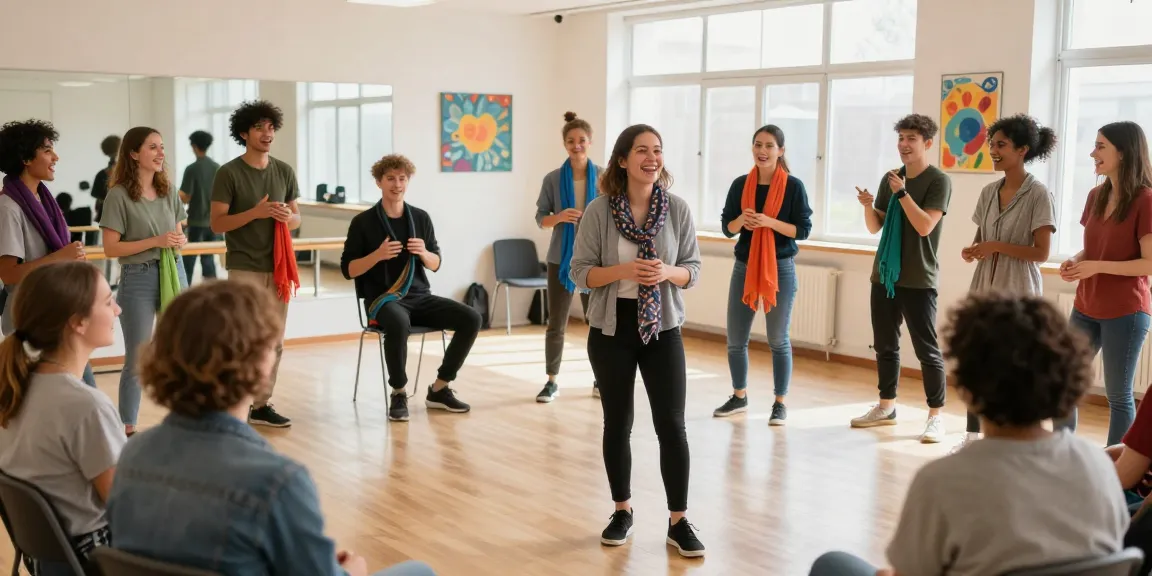
A beginner improv class is designed for individuals who are new to the art of improvisation. These classes typically focus on teaching the basic skills needed to think on your feet, collaborate with others, and express creativity without the pressure of a scripted performance. Participants engage in various exercises and games that promote quick thinking, character development, and situational awareness. The goal is to create a safe space where individuals can explore their ideas and instincts freely.
Key principles of improvisational theatre
Improv operates on several foundational principles that guide its practice:
- Yes, and... - This principle encourages acceptance and building upon others' ideas, creating a collaborative environment.
- Listening and responding - Successful improv hinges on active listening and immediate reactions, which foster more organic interactions.
- Embracing mistakes - Mistakes are not failures but opportunities for creativity. Improv teaches that unexpected moments can lead to the most memorable performances.
- Establishing a shared reality - Participants must agree on the basic premises of a scene, allowing for coherent and engaging storytelling.
Importance of spontaneity in performance
Spontaneity is at the heart of improvisational theatre. It allows performers to engage with their surroundings and their audience in real time, creating unique and dynamic performances. This spontaneity fosters a sense of excitement, both for the performers and the audience, as each performance is distinct and unpredictable. Participants in a beginner improv class learn to trust their instincts, respond to the moment, and embrace the unexpected—all essential skills that can translate well beyond the stage.
Benefits of Joining a Beginner Improv Class
Enrolling in a beginner improv class offers numerous benefits that extend into various aspects of life. Here are some of the key advantages:
Enhancing creativity and confidence
Improv is a powerful tool for boosting creativity. The exercises and games encourage participants to think outside the box and explore new ideas. As individuals practice improvisation, they often find their confidence grows, not just in their creative abilities but also in their everyday interactions.
Social skills and team building
Improv inherently involves collaboration and teamwork. Participants learn to communicate effectively, trust one another, and develop empathy. These social skills are crucial in both personal and professional environments, enhancing relationships and fostering a sense of community.
Stress relief through comedy and fun
Engaging in improv can serve as a fantastic outlet for stress relief. Laughter and humor are central to the practice, and the act of creating something fun and light-hearted can be incredibly therapeutic. Many individuals find that participating in improv helps alleviate anxiety and provides a much-needed break from daily pressures.
Common Challenges Faced by Newcomers
While improv can be a joyful experience, newcomers may face certain challenges as they navigate this new terrain. Understanding these challenges can help participants better prepare for their journey in improvisational theatre.
Overcoming the fear of failure
Many individuals struggle with the fear of failure, especially in a performance context. Improv encourages participants to view mistakes as learning opportunities rather than setbacks. This shift in mindset is crucial for growth and can be cultivated through supportive teaching methods in beginner classes.
Managing stage fright and anxiety
Stage fright is a common concern for those stepping into an improv class. Instructors often incorporate techniques that help participants manage their anxiety, such as breathing exercises and positive reinforcement. With practice, individuals typically find that their confidence builds, and the fear of performing diminishes.
Understanding group dynamics and interactions
Improv is fundamentally a group activity, which means understanding group dynamics is essential. Newcomers may need time to adjust to the collaborative nature of improv and learn how to engage effectively with others. Through guided exercises, participants can develop a better grasp of how to contribute to and enhance group interactions.
Best Practices for Effective Improv Learning
To maximize the benefits of a beginner improv class, participants can follow several best practices during their learning journey:
Finding the right beginner improv class
It’s essential to select a class that aligns with your interests and learning style. Look for instructors with positive reviews and a focus on creating a welcoming atmosphere. The right class can make all the difference in nurturing your improvisational skills.
Techniques for practicing at home
Improv practice isn't limited to the classroom. Participants can refine their skills at home through various activities, such as:
- Playing improv games with friends or family.
- Practicing monologues or character scenes.
- Watching improv performances and analyzing the techniques used.
Collaborating with peers and mentors
Building connections with fellow improv enthusiasts can greatly enhance your learning experience. Forming practice groups or seeking mentorship from experienced performers can provide valuable feedback and support as you refine your skills.
Looking Ahead: The Future of Improv Classes in 2026
The landscape of improv education is continually evolving, with emerging trends shaping the future of classes. Here’s a look at what can be expected in 2026:
Emerging trends in improv education
As the popularity of improv grows, new teaching methods and styles will likely emerge. Expect to see more specialized classes that focus on niche elements of improv, such as storytelling or physical comedy.
Incorporating technology into classes
With advancements in technology, improv classes may increasingly utilize digital platforms for training. Online classes, virtual workshops, and even augmented reality tools could enhance the learning experience and reach a broader audience.
Global influences on improv styles and techniques
Improv is not confined to one style or culture. As global influences intertwine, we can expect to see a rich tapestry of techniques and approaches that reflect diverse backgrounds and storytelling traditions. This worldwide perspective can deepen the learning experience and enhance creativity.
What can I expect from my first beginner improv class?
Your first beginner improv class will likely involve warm-up exercises, introductions, and simple improv games designed to break the ice. Expect to do plenty of activities that focus on trust-building, creativity, and spontaneity!
How do I prepare for an improv class?
Preparation for an improv class largely revolves around having an open mind and a willingness to embrace vulnerability. Wear comfortable clothing that allows movement, and try to arrive with a positive attitude ready to learn and have fun.
Are improv classes suitable for all ages?
Absolutely! Improv classes cater to a wide range of ages and backgrounds. There are often specialized classes for children, teens, and adults, ensuring that everyone can find an appropriate environment to develop their skills.
What materials or props do I need for class?
Typically, no specific materials or props are required for an improv class. However, it can be helpful to bring a notebook for jotting down ideas, and some classes may incorporate physical objects for certain exercises.
How can improv skills help in everyday life?
The skills acquired through improv extend well beyond the stage. For more information, Social confidence classes offers valuable insights. They can enhance communication, problem-solving, and adaptability in everyday situations. Whether in the workplace, at home, or in social settings, the lessons learned from improv can significantly improve interpersonal relationships and increase overall confidence.